Behaviour
Doing nothing is an active decision and it is hard
Inaction is the correct response to most market events and the hardest to execute, because it feels identical to negligence.
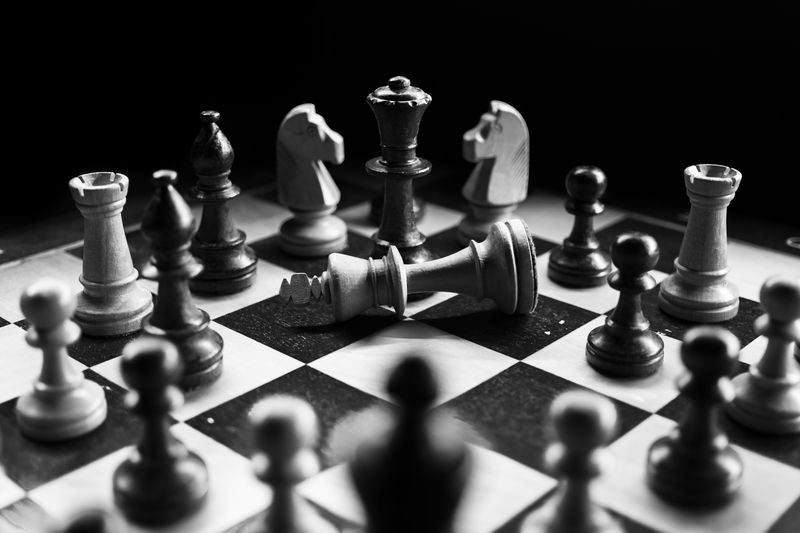
The theory of deliberate inaction is well covered elsewhere. This is about the version you meet in practice.
What holds up in practice
- Doing nothing requires continuous suppression of a strong impulse.
- Inaction is indistinguishable from neglect from the outside and from the inside.
- Naming it as a decision makes it possible to sustain.
Inaction is effortful
Holding an unchanged portfolio through a turbulent year is not the absence of a decision; it is the same decision repeated daily against pressure. That effort is invisible, unrewarded and never recorded, which is why it is underestimated. People describe it afterwards as having done nothing, which understates what actually happened.
Treating it as an achievement rather than as a default makes it easier to sustain.
The bias toward action
In uncertain situations people generally prefer doing something to doing nothing, even where the action has no expected benefit. Action provides a sense of control and relieves the discomfort of exposure, which is a real psychological payoff. The cost is paid in charges, taxes and mistimed decisions rather than at the moment of relief.
The impulse is strongest when uncertainty is highest, which is exactly when action is least likely to help.
Nothing looks the same as neglect
A portfolio left alone and a portfolio forgotten produce identical statements, which is uncomfortable for anyone conscientious. The distinction lives entirely in whether the inaction was chosen and documented. Writing "reviewed, no change required" in a note converts one into the other for your own benefit.
That note is also what stops next year review starting from anxiety.
Give the urge somewhere to go
The impulse to act can be satisfied by tasks with no downside: checking the contribution rate, totalling costs, updating the plan, checking beneficiary details. These are genuinely useful and occupy the same psychological space as trading. Directing the energy is more effective than trying to eliminate it, since the energy is not going anywhere.
Some people keep a list of permitted actions, which converts an urge into a menu.
When action is genuinely required
Money being needed sooner than planned, a change in your circumstances, a fund changing its mandate or a material cost increase all warrant action. None of those are market events, which is the pattern worth noticing. Rebalancing at a scheduled date or drift band is also action, and it is action defined in advance rather than chosen in the moment.
Anything with tax consequences varies by country and is worth checking locally before executing.
Adjust the size of it until it is something you would actually do tired.
The long view of inaction
Over decades, the portfolios that do best are frequently those that were left alone, sometimes accidentally. That is not an argument for neglect but an indication of how much of the damage is self-inflicted. It also suggests the skill being developed is tolerance rather than analysis.
For most people, tolerance improves with practice, which is one of the few genuinely encouraging things about the subject.
The takeaway
Record "reviewed, no change" in writing. Chosen inaction and neglect need to look different to you.
Small and repeatable beats ambitious and abandoned, almost every time.
Questions readers ask
How do I know if doing nothing is right?
Check whether anything on your written list of action triggers has occurred. If not, the market moving is not itself a trigger.
Does this apply during a severe crash?
The plan should already state what happens in a severe fall, which is usually to continue contributing and rebalance. That is a decision made in advance, not neglect.