Behaviour
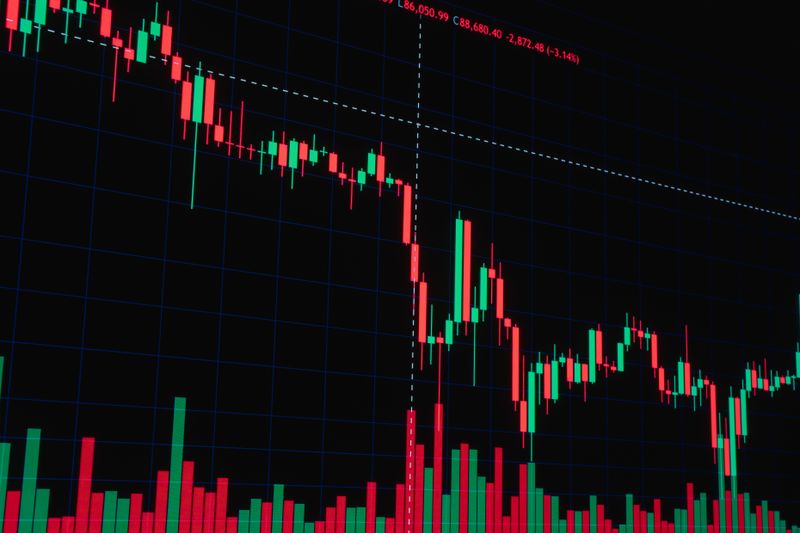
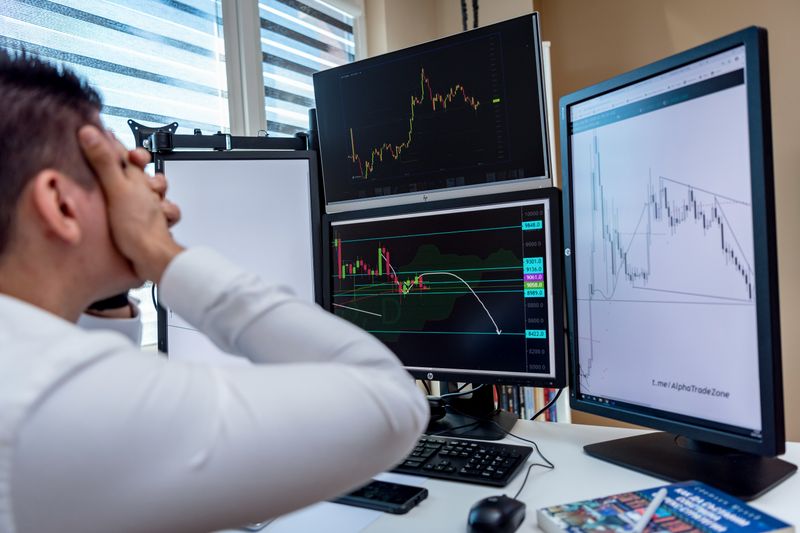
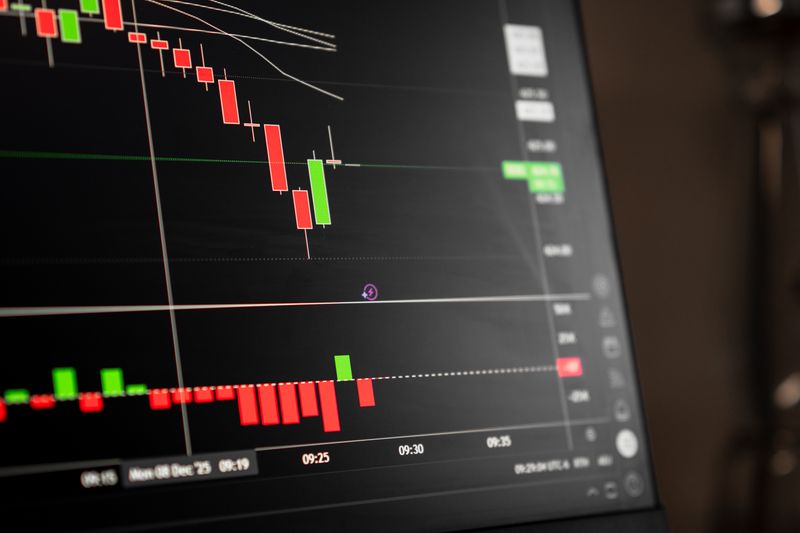
Selling in a fall is the most expensive thing investors do
The gap between fund returns and investor returns is well documented, and it is almost entirely behavioural.
Editor, The Investment Habit
Alastair edits The Investment Habit and believes most investing content is entertainment sold as advice.
Contact Alastair through our contact page — mark your message for their attention and it will be passed on.
Behaviour
The gap between fund returns and investor returns is well documented, and it is almost entirely behavioural.
Behaviour
Performance tables are backward-looking, and buying the top of one has a poor record.
Risk & Allocation
How you feel about volatility matters. When you need the money matters more.
Drawing an Income
Two portfolios with identical average returns can produce very different outcomes depending on when the bad years arrive.
Drawing an Income
A dividend reduces the value of the holding by roughly the amount paid. Treating it as income separate from capital leads to bad…
Getting Started
Almost everyone starting out worries about investing the day before a crash. The worry is reasonable; acting on it usually is not.
Getting Started
Beyond a modest amount of homework, additional information mostly increases confidence rather than accuracy.
Getting Started
A monthly contribution that requires a monthly decision is a monthly opportunity to skip it, and skips cluster in exactly the wrong…
Funds & Trackers
Portfolios grow by accretion, one reasonable-seeming addition at a time, until nobody can explain what the whole thing is for.
Funds & Trackers
The pitch works because it confirms something you had already concluded about the world. That is the mechanism, not the evidence.
Costs
The saving is clear, the forms are dull, and the task moves to next month indefinitely. This is a behaviour problem, not a…
Costs
Hesitation, uninvested cash and time spent out of the market are real expenses. None of them are itemised anywhere.
Costs
We learn from everything else we buy that paying more gets you more. In funds the relationship has generally run the other way.
Behaviour
An intention is something you mean to do. A plan specifies what happens, when, and what triggers it. Only one of them survives…
Behaviour
Inaction is the correct response to most market events and the hardest to execute, because it feels identical to negligence.
Risk & Allocation
A short set of questions produces a single score that bundles together three separate things, only one of which is about your…
Risk & Allocation
The number that measures how much prices move is not the same as the chance of not having the money when you need it.
Risk & Allocation
It requires selling what has done well and buying what has done badly, which is exactly what your instincts object to.
Drawing an Income
Decades of practice at saving produce exactly the wrong instincts for the day you are supposed to start spending.
Drawing an Income
Research across several countries has generally found retirees drawing down more slowly than expected, and often not at all.
Drawing an Income
Many retirees will spend interest and dividends freely while treating the capital as untouchable. The distinction is psychological…
Drawing an Income
Deciding how much to take while you are living on it is deciding under exactly the pressure the decision cannot survive.
Drawing an Income
A decline early in drawdown is the scenario every retirement plan is supposedly built for. Very few have a written instruction for…
Drawing an Income
Every drawdown plan claims to be flexible. Without a stated trigger and a stated adjustment, flexibility means improvising under…
Drawing an Income
In drawdown the portfolio funds this month, and that changes how every market movement feels.
Drawing an Income
A portfolio that only one person understands is a problem waiting for a specific and predictable moment.
Drawing an Income
Income that does not depend on markets is usually compared on rates. Its largest effect is on what you do during a crash.
Getting Started
Every job change leaves a small account behind. A decade later the pile carries duplicated costs, unknown holdings and nobody…
Funds & Trackers
Somebody decided what qualifies, how it is weighted and when the list changes. A tracker follows those decisions rather than the…
Behaviour
People report their good decisions and go quiet about the others. The resulting picture of how everyone else is doing is…
Behaviour
Regret from acting feels sharper than regret from failing to act. Portfolios quietly get built around avoiding the sharper one.
Behaviour
People give clearer advice to others than to themselves. The gap is wide enough to be worth exploiting on purpose.
Risk & Allocation
Assets that move independently in normal conditions frequently move together in a crisis. The diversification you measured was…
Risk & Allocation
Investors everywhere hold far more of their own market than its share of the world would suggest. The reasons are rarely examined…
Risk & Allocation
Property, pensions, cash and your own earnings all respond to the same economy. Looking at the investment account alone measures a…
Risk & Allocation
Cash does not fall in nominal terms, which is exactly why it feels safe. What it loses is purchasing power, quietly and without…
Risk & Allocation
Taking more risk does not reliably produce more return. Only certain kinds of risk have any theoretical reason to be rewarded at…
Risk & Allocation
Dated funds reduce risk according to a schedule set at launch. That is their whole strength and the source of every objection to…
Drawing an Income
A retirement lasting three decades meets the same compounding that built the portfolio, running steadily in the opposite direction.
Drawing an Income
Stopping work rarely coincides with every income source starting. The gap years have their own arithmetic and are routinely…
Drawing an Income
Withdrawal frequency changes dealing costs, cash drag and how often you make a decision. The last of those matters most.
Drawing an Income
Care needs are unpredictable in whether they arrive, when they arrive and what they cost. Plans usually respond by ignoring them…
Drawing an Income
Delaying the start of drawdown adds contributions, removes withdrawal years and shortens the period the portfolio has to cover.
Drawing an Income
A joint plan has to survive both people and then one of them alone. The second phase is where most plans turn out to be weakest.