Behaviour
Boredom is an underrated risk to a portfolio
A well-constructed long-term portfolio is uneventful by design, and the tedium of holding it drives changes that are made for stimulation rather than for any stated reason.

A portfolio built for a long horizon is meant to be dull. The tedium is a feature of the design, and it is also one of the most common reasons the design gets abandoned.
Nothing happening is the intended outcome
A diversified portfolio held through a working life is supposed to require almost no intervention. Once the allocation and the contributions are set, there is nothing further to do most years.
This produces long stretches in which the investor's role is entirely passive. Statements arrive, balances move, and no action is called for by anything they report.
The absence of activity is not a sign that the plan is neglected. It is what a working plan looks like from the inside, which is a difficult thing to recognise.
Boredom looks for a task
Sustained inactivity in an area someone cares about is uncomfortable. The discomfort seeks resolution, and the available resolutions all involve changing something.
The change is rarely framed as relief from boredom. It arrives as a refinement, a tidy-up, or a small improvement that happens to require several transactions.
Because each individual change is defensible, the pattern is hard to see. What is visible is a series of reasonable adjustments; what is happening is a search for something to do.
Platforms supply the stimulation
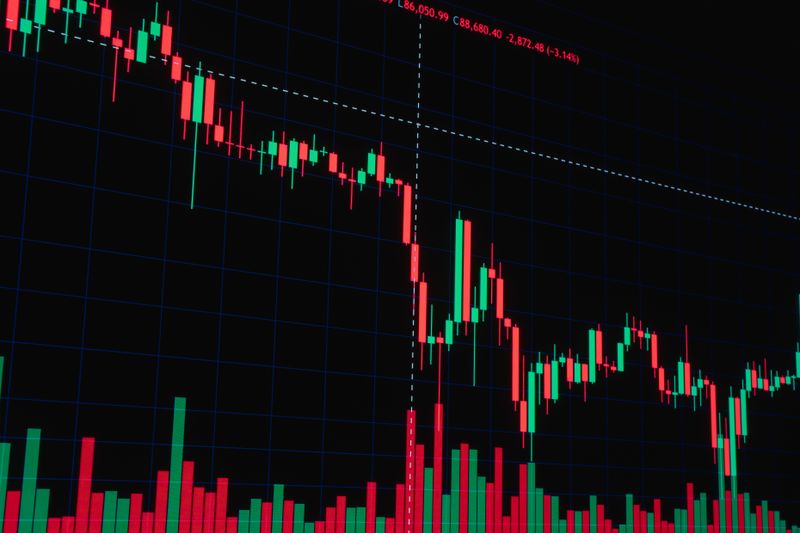
Interfaces are built to reward opening them. Charts, movements and news are refreshed continuously, so there is always something new even when nothing has changed materially.
An app that is engaging to check makes the underlying dullness harder to tolerate. It provides a constant contrast between an eventful screen and an uneventful strategy.
Features that make trading immediate then stand ready when the discomfort peaks. The gap between feeling restless and acting on it has been engineered down to seconds.
Separating the urge from the account
One common approach is to give the impulse somewhere else to go, such as a small separate pot for active decisions kept deliberately apart from the main holding.
Whether that helps depends on the person. For some it satisfies the urge cheaply; for others it establishes an active habit that gradually expands into the main portfolio.
What it does reliably provide is a boundary. Any activity is confined to a defined amount, which is a different situation from having no boundary at all.
Building interest that does not cost anything
Attention can be directed at things that do not involve transacting. Understanding how an index is constructed or how charges are levied is genuinely engaging and changes nothing.
Reviewing progress against the goal serves a similar purpose. It occupies the interest, produces a defensible answer, and ends without requiring an action to justify the time spent.
The aim is not to eliminate the urge to engage. It is to keep the engagement away from the buttons that turn restlessness into charges and interrupted compounding.
Questions readers ask
Does the witness need to understand investing?
No. Their job is to remember what you said and ask about it. Someone with strong opinions about holdings is usually a worse choice than someone with none.
What if my plan genuinely needs changing?
Then change it through the procedure you wrote down, which normally means a delay and a written reason. The point is to filter impulses, not to freeze the plan.