Behaviour
Round numbers get more attention than they deserve
Portfolio balances and market levels near round figures attract disproportionate attention and action, even though the digits themselves carry no information about anything.

A balance approaching a round figure is watched more closely than the same balance a short distance away from one. The number has no significance, but behaviour responds to it anyway.
Round numbers work as psychological markers
People organise quantities around salient reference points, and round figures are the most available ones. They serve as informal targets nobody set and nobody would defend if asked.
The effect appears across domains where numbers are tracked. Thresholds attract effort as they approach, and the effort falls away once the threshold has been crossed.
In a portfolio this means attention is unevenly distributed across time. The same account is checked constantly near a landmark figure and ignored between them.
Market levels attract the same treatment
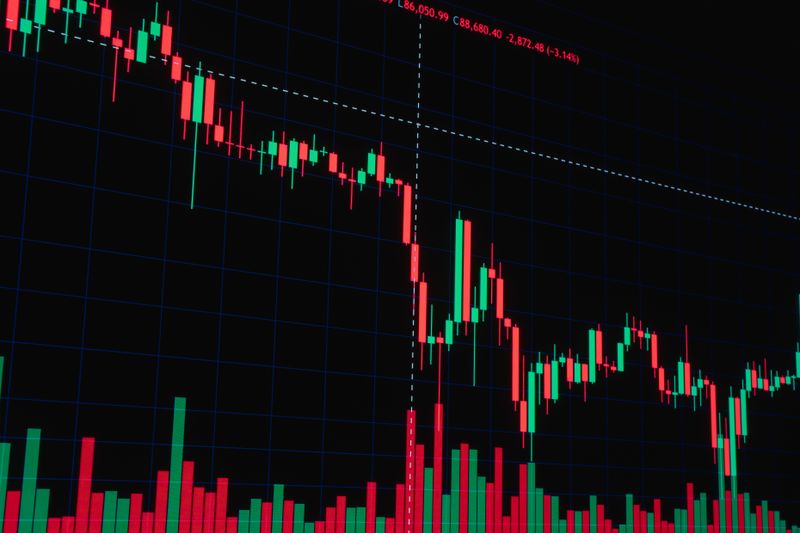
Index levels near round numbers receive disproportionate commentary. The coverage describes the number rather than any development in the underlying companies.
Because commentary follows the number, readers encounter more market discussion at those points. The volume of discussion is then mistaken for the importance of the moment.
Nothing about the constituent businesses changes as an index crosses a landmark. The digits are an artefact of where the index was set when it began.
Where it becomes expensive
Round numbers create informal decision triggers. People decide, often without articulating it, to sell once a holding reaches a figure or to buy if a market falls to one.
Those triggers are arbitrary but binding once formed. A plan that would otherwise have continued gets interrupted by the coincidence of a balance passing a particular point.
The interruption also tends to arrive with confidence attached. Having watched the approach for weeks, the eventual action feels considered rather than prompted by a digit.
The same effect appears in contributions
Contribution amounts cluster on round figures for the same reason. A monthly sum is chosen because it is tidy rather than because it matches what is affordable.
This is mostly harmless and occasionally useful, since a memorable figure is easier to maintain. It becomes a problem when the tidy number is treated as a ceiling.
Raises get postponed until a further round figure is reachable, which delays increases that could have been made immediately. The delay is caused entirely by preferring neat numbers.
Anchoring reviews to dates instead
The alternative is to attach attention to a calendar rather than to a balance. A review that happens annually is unaffected by which figures the account happens to pass through.
That change also distributes attention evenly. Nothing about a portfolio is more worth examining at one balance than another, and the calendar has no view on which numbers are interesting.
It removes an entire category of unplanned action. Decisions then arise from a scheduled process rather than from a number that briefly looked meaningful on a screen.
Questions readers ask
Does the witness need to understand investing?
No. Their job is to remember what you said and ask about it. Someone with strong opinions about holdings is usually a worse choice than someone with none.
What if my plan genuinely needs changing?
Then change it through the procedure you wrote down, which normally means a delay and a written reason. The point is to filter impulses, not to freeze the plan.